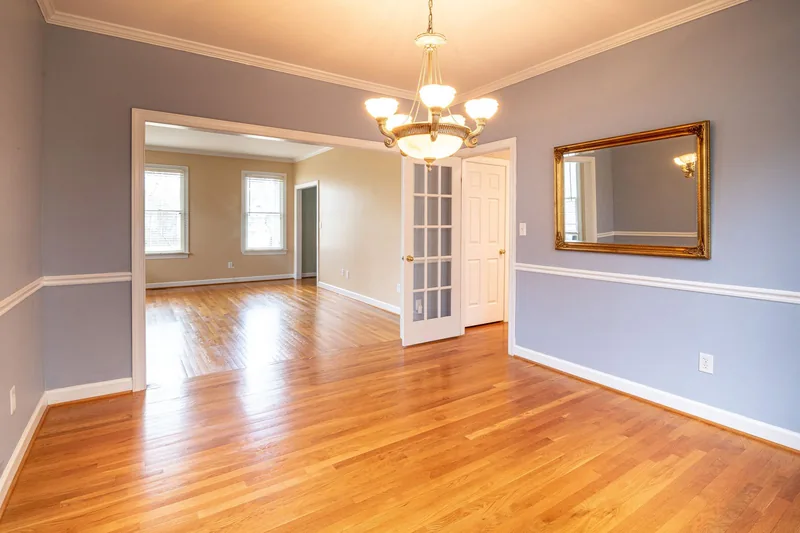
Residential Biohazard Cleanup for Houses and Apartments
Houses and apartments, including condos and high-rise units, can receive sewage cleanup plus cleaning after death, crime, blood or hoarding.
Learn moreGet blood, bodily fluids, odor and contaminated materials removed safely from any property in Weston, day or night.
Local housing, population and access details can shape containment, access and cleanup planning.
With renters in 28.5% of local homes, owner occupied properties form most of the housing context for cleanup planning.
Homes with a median construction year of 1962 may contain layered renovations that hide affected materials beneath newer finishes.
The local count of seniors living alone is 72, so a cleanup plan may need input from someone managing the home remotely.
In this housing mix, fluids may affect a private subfloor or cross into a shared wall cavity, depending on the building.
The safe disposal, removal and disinfection of bodily fluids, blood, tissue and other hazardous materials after an accident, crime, death, sewage backup or hoarding situation is biohazard cleanup.
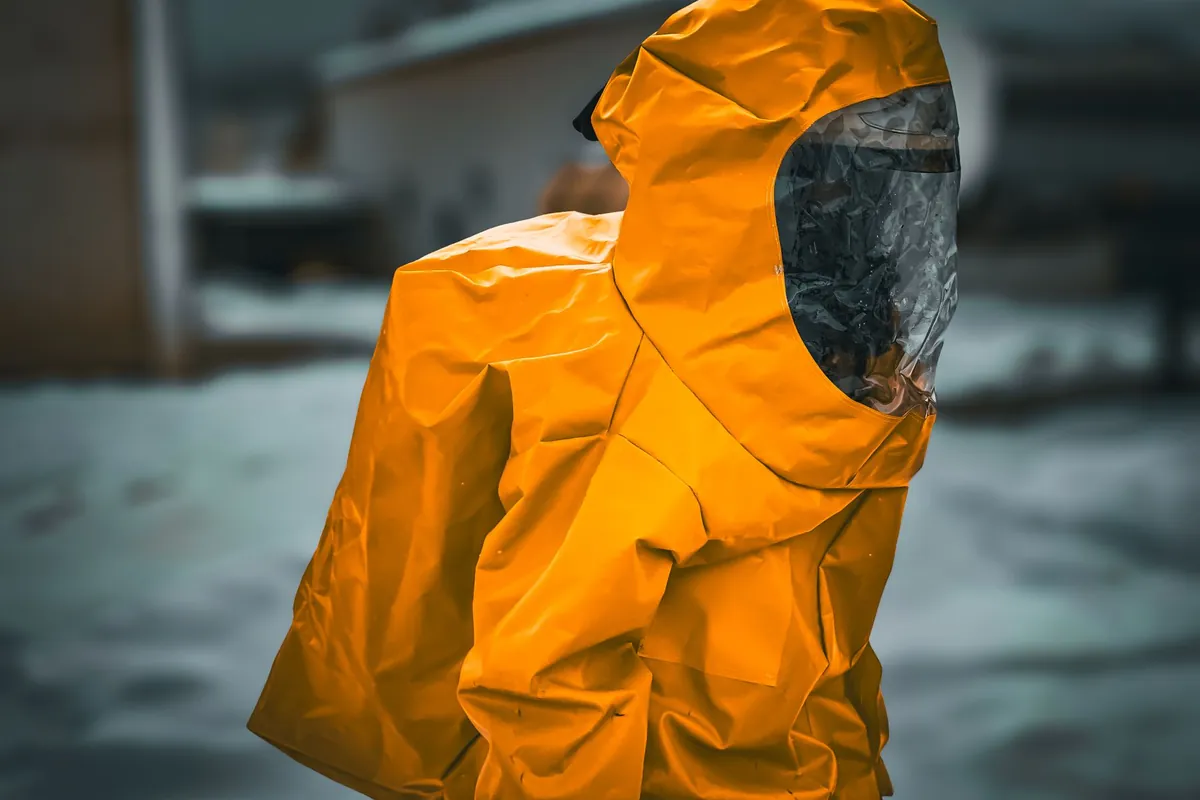
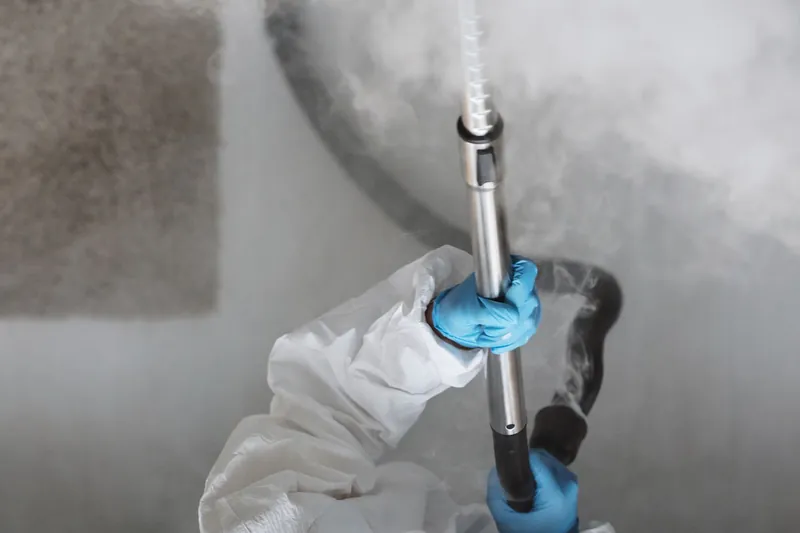
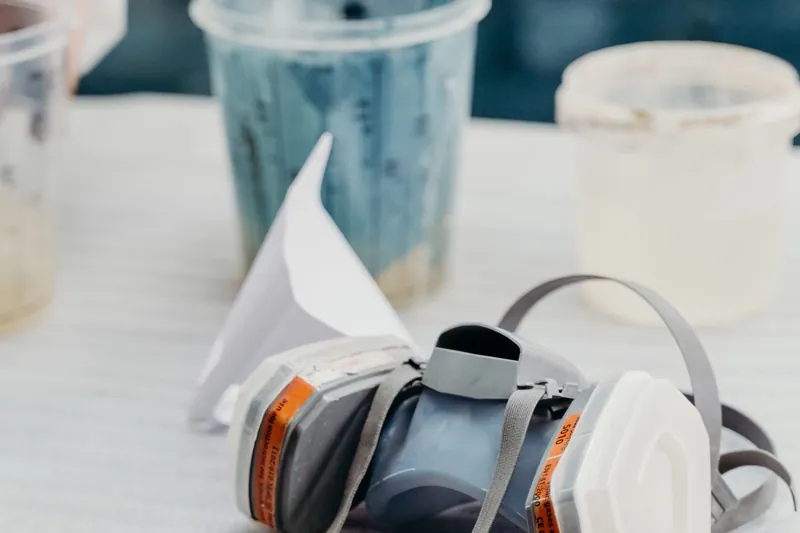
You may also hear it called trauma cleanup, bio cleanup, biohazard remediation or bio hazard cleaning. Deep cleaning alone is not professional biohazard cleanup. Technicians wear personal protective equipment, track where contamination traveled, discard porous items beyond disinfection and treat all affected areas until the property returns to a livable condition.
After traumatic events in Weston, crime scene cleaning and other specialized cleaning can begin as soon as the property is released. Biohazard removal services across the surrounding areas include scene cleaning, hazardous waste disposal and fentanyl cleanup, with emergency response at any hour. Crime scene cleaners aim to restore safety while giving families respectful, compassionate service.
You hear the cleanup plan, every step and what affects the price before anything is removed. There is no pressure and nothing unexpected.
No judgment for hoarding or neglect, and care for you and your family at a difficult time. Your photos, important papers and keepsakes are placed aside.
Calls for emergency service are taken around the clock, while unmarked vehicles keep the situation private from neighbors and building personnel.
Your insurance company, property owner or state victim program can receive the photos, waste paperwork and notes describing the scope.
Houses and apartments, including condos and high-rise units, can receive sewage cleanup plus cleaning after death, crime, blood or hoarding.
Learn more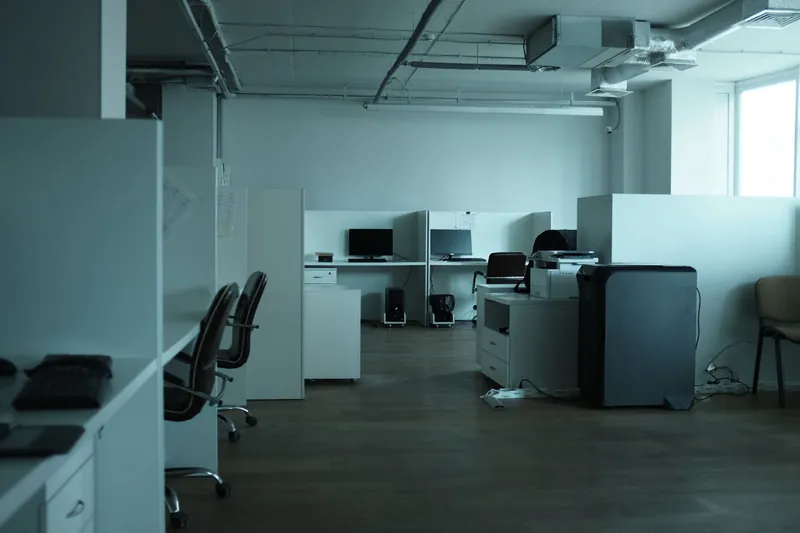
Commercial properties can arrange commercial biohazard cleanup around your operating hours following industrial accidents, exposures, injuries or break-ins.
Learn more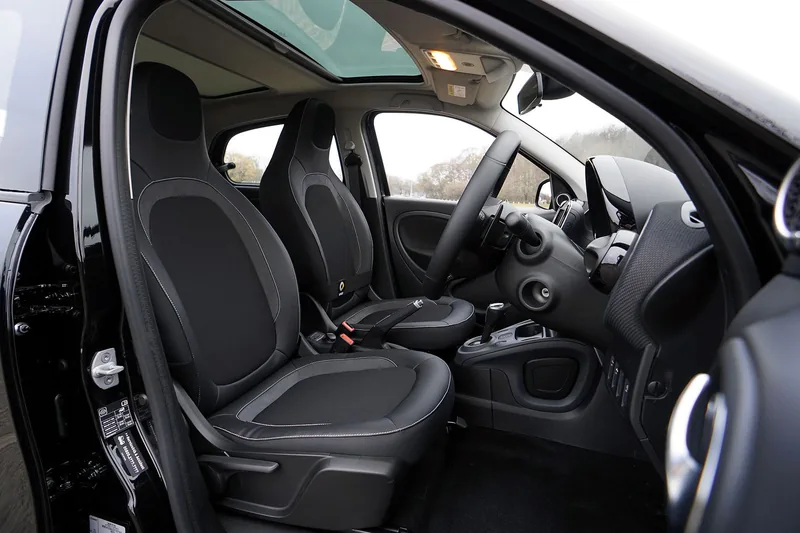
Vehicle biohazard cleanup for blood, bodily fluids and odor in seats, carpet and vents.
Learn more
Units are prepared for another rental, and cleanup records are available to owners and insurers.
Learn moreFind the cleanup page suited to your circumstances. Call if you are uncertain about which cleanup service fits.

Few people encounter this more than once. These first steps protect your health, your insurance claim and the final cleanup cost.
Call (888) 440-9227The biohazard cleanup process uses a safe, set sequence for every job, from your first phone conversation to the closing inspection.
You describe the incident. After technicians photograph and inspect the scene, they agree on the scope with you.
Plastic sheeting isolates the affected area and stops contaminants from reaching additional rooms.
When infectious materials enter porous items such as drywall, carpet or pad, those items are cut away and contained as medical waste, with nothing left behind.
Hospital-grade disinfectant registered by the EPA is applied after all surfaces are cleaned.
Treatment reaches the source of odors with hydroxyl, air scrubbers or ozone, followed by a check of the vents.
Waste is sealed, tracked with paperwork and taken to a permitted facility for medical waste treatment.
Where needed, ATP testing helps check that the space has returned to a livable condition. You also get photographs and documentation for your claim.
Rebuilding areas where drywall or floors were taken out can be done by your contractor or the insurer's vendor.
Fixr lists $3,000 to $5,000 as a typical national range for biohazard cleanup. The price moves with the type of job. Minor blood cleanup runs $500 to $2,500, and a sewage backup runs $2,000 to $10,000. Your actual cost is established after the on-site assessment.
Yes, often. After a sudden death, crime or sewage backup, homeowners or renters insurance often covers biohazard cleanup minus your deductible.
Victims of violent crime can ask the Ohio Attorney General's Crime Victim Services Section about crime scene cleanup, which its victims compensation program lists among eligible expenses for safety purposes. Insurance is usually checked first.
For common spaces and rental properties, cleanup is typically arranged and paid for by the property owner or manager.
Accidental events are commonly covered when sudden. Insurance commonly excludes neglect over time and hoarding. Speak with your insurance company before cleanup begins.
After a death, cleanup costs can often be paid by the estate. The responsibility usually falls to a family member or executor.
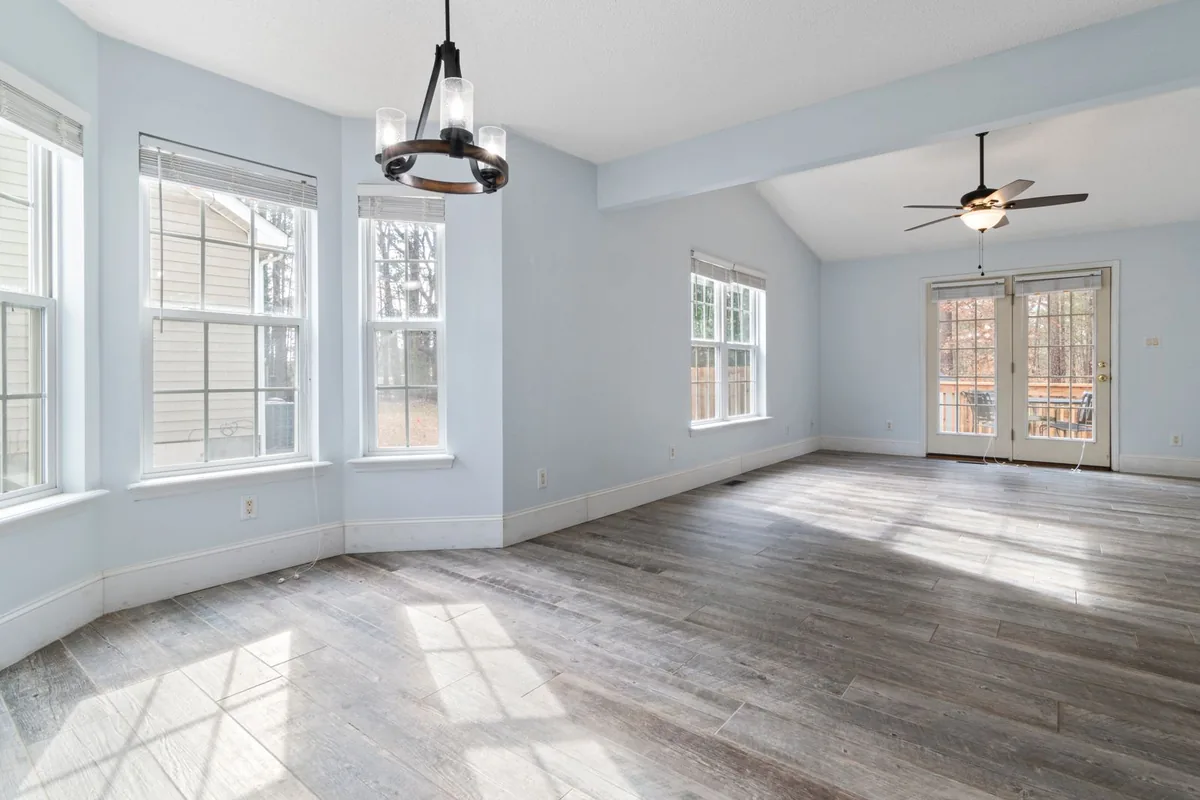
Call any hour. You can ask a cleanup specialist what happens next at your property.
Sewage exposure symptoms frequently emerge within one to three days. Other infections may take longer to show. Avoid contact and keep children and pets away.
Most jobs take one to three days on site. Heavy scenes, decomposition or hoarding cleanouts can take several days to two weeks.
A few can persist a long time. According to the CDC, surfaces can support hepatitis B for at least seven days, so you should treat dried blood as infectious.
The Fixr guide shows $3,000 to $5,000 as the usual national range when you hire biohazard cleanup. Blood cleanup for minor jobs costs $500 to $2,500, while a sewage backup costs $2,000 to $10,000.
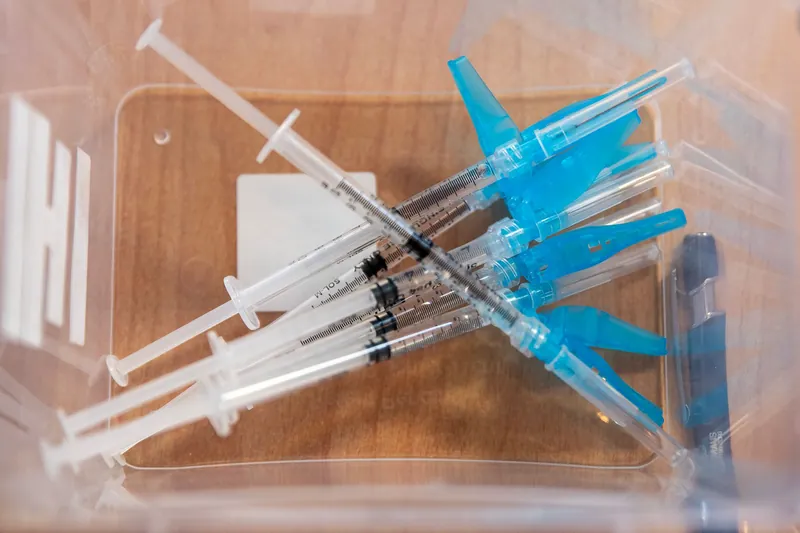
Any biological substance capable of causing illness is a biohazard, including tissue, bodily fluids, blood, used needles, untreated sewage, human waste and animal waste.
Your call is answered 24 hours a day, including weekends and holidays.